
“So why did you move to Sweden?”
“To start a church.”
“My grandparents were religious. They always used to go to church.”
“How about your parents?”
“No, they didn’t go very much. Maybe at Christmas and Easter.”
“How about you?”
“No, I never go.”
I had conversations similar to that, when I first moved to Sweden, often enough to have caught my attention. Sweden has undergone one of the deepest and most thorough processes of secularisation anywhere in the world. For some it is the model to be copied and for others the model to avoid. It took maybe three or four generations to go from practising to nominal faith to no faith at all.
In 2 Timothy 1:3 Paul writes,
I thank God, whom I serve, as my ancestors did, with a clear conscience…
As an aside, Paul doesn’t think his faith in Jesus is a departure from the faith of his Jewish ancestors; he is serving the same God. He is instead enjoying the fulfilment of the promises they received. This pattern of passing on and receiving faith is something Paul sees in the life of his protégé Timothy.
I am reminded of your sincere faith, which first lived in your grandmother Lois and in your mother Eunice and, I am persuaded, now lives in you also. (2 Tim 1:5)
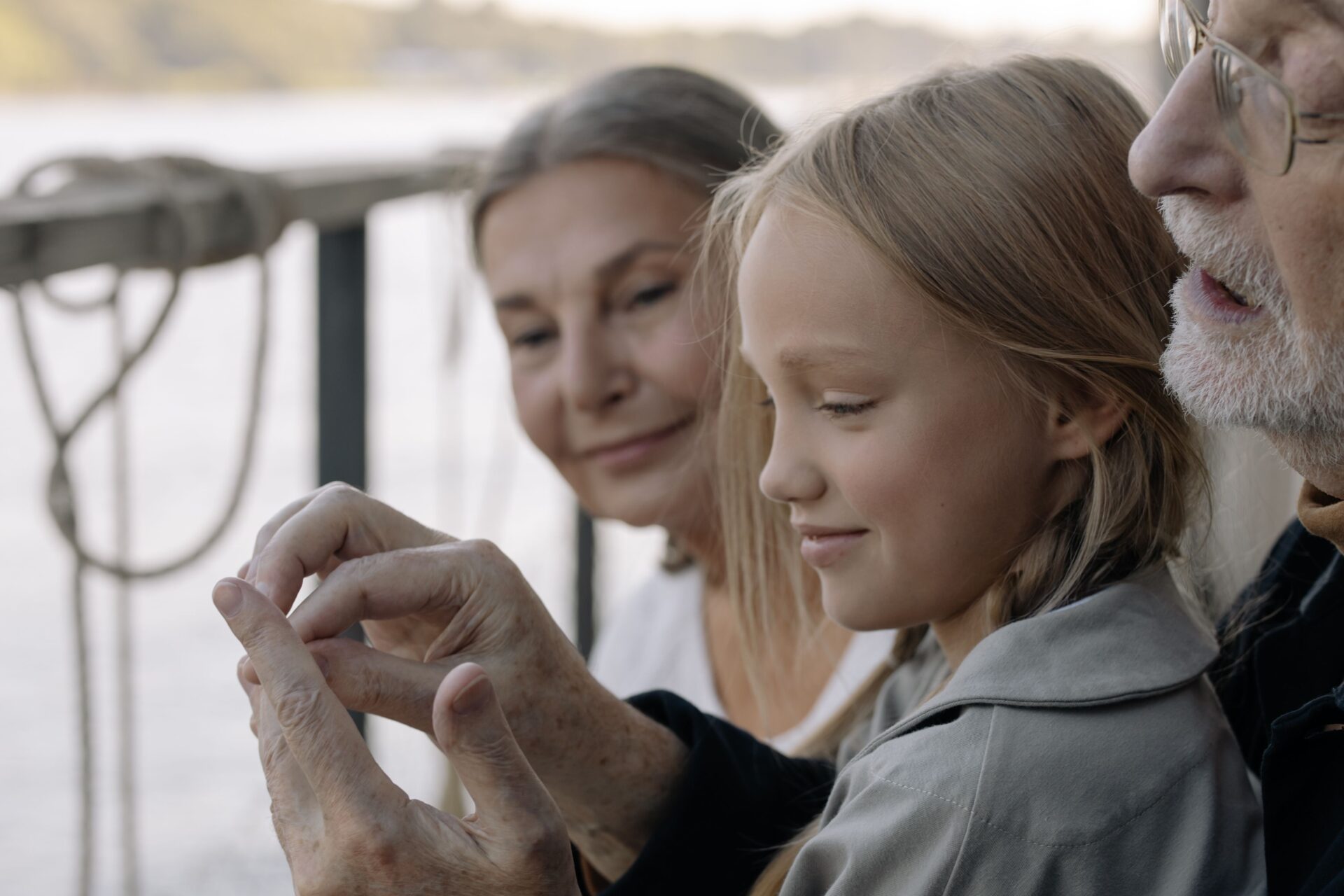
Three generations of sincere and living faith. From Lois to Eunice. From Eunice to Timothy.
Something happened in Sweden that, for a variety of reasons, meant a generation of Christian parents mostly failed to pass on their faith to the next generation. And that generation passed nothing on to the next, who ended up with nothing and are now looking for something. Or at least some of them are.
Paul then encourages Timothy to repeat in the church the pattern he has richly benefited from in the home.
And the things you have heard me say in the presence of many witnesses entrust to reliable people who will also be qualified to teach others. (2 Tim 2:2)
Four generations. Paul (1) to Timothy (2). Timothy (2) to reliable people (3). Reliable people (3) who teach others (4).
The faith is meant to be passed on from one generation to another. In the church and in the home. I am humbled to be able to say with Paul, I serve God as my ancestors did. I pray that my son – and, if he is blessed as I have been, his children – will want to say the same.
One of the key tasks of the church is to pass the faith on – to teach others whether they be biological or spiritual children. In Sweden there are some cultural barriers to overcome. Too many Christian parents labour under the misapprehension that sharing their own faith with their children is brainwashing, as if the world were a neutral marketplace and schools, teachers, TV, social media, news and governments weren’t also shaping values and forming beliefs..
Nor have Christian parents been well served by seeing the Sunday service and the Friday youth group as the place where their children are discipled. For generations Swedes have dropped their kids off at daycare, then school, then university. The state has trained and educated them. Then at weekends they drop their kids off at church groups and expect the church to train them. The home has been hollowed out from its central place in spiritual formation.
The Swedish church has also struggled with evangelism – this is an introverted people for whom the topic of faith has become private instead of merely personal.
Those who welcomed secularisation assumed it was a one-way street. There are now signs it may be more cyclical, and that a new season of discovering faith may be beginning. Individualism is a double edged sword: the young Swede who told me “I never go” is free to come and see.
Leave a Reply