
As a subscriber to many, many blogs I regularly skim read for something that seems interesting to me and then save them to read later. Which I may or may not end up doing. I currently have over 170 articles saved for future reading. Clearly my reading system has an excess of supply. Far more is being written than can ever be read. As I’m reducing this number slowly (it was over 200 a few weeks ago), I’m pulling together common threads and sharing those saved articles. They exist on my blog for future reference should I ever go looking for them and they may be useful to others too.
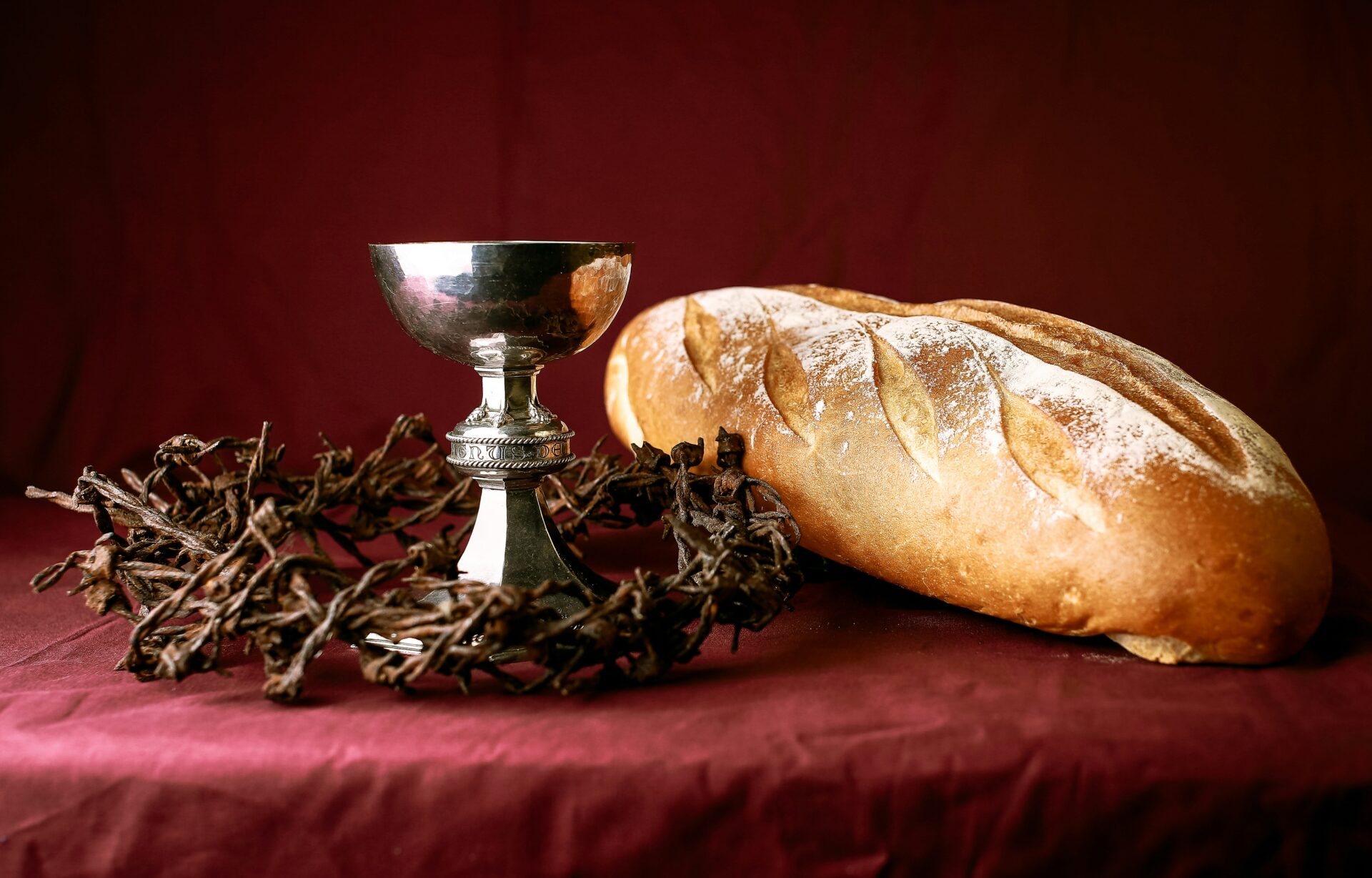
The theme of this post is communion. This has become one of the most popular sections on this blog and I’m engaged in a long and very slow moving project to interrogate my own thoughts, convictions and practices in this area. So these posts are all part of that ongoing attempt.
What sticks out to me is that three of the articles are considered with ‘fencing the table’. It’s slightly weird language for a start. I rarely talk about fencing anything, and hedging it is also weird language. Are they both gardening terms? Why is that when communion is a meal? Of course it is do with protecting and guarding but why not use those words instead?
But also I wonder whether the table is something we should protect? Or at the very least to what lengths should we go to protect the table from people who may not be eligible?
The Lord’s Supper Posts
- Why Does the Lord’s Supper Matter?
- Who Is the Supper for and How Do We Fence the Table?
- Tickets and Teaching: How Spurgeon Fenced the Table
- What if people take communion wrongly?
- Should we have weekly communion?
Want to go deeper on communion? See Scriptures for Communion, Bread and Wine as a Covenant Meal, and Invitation to the Table.
Leave a Reply